

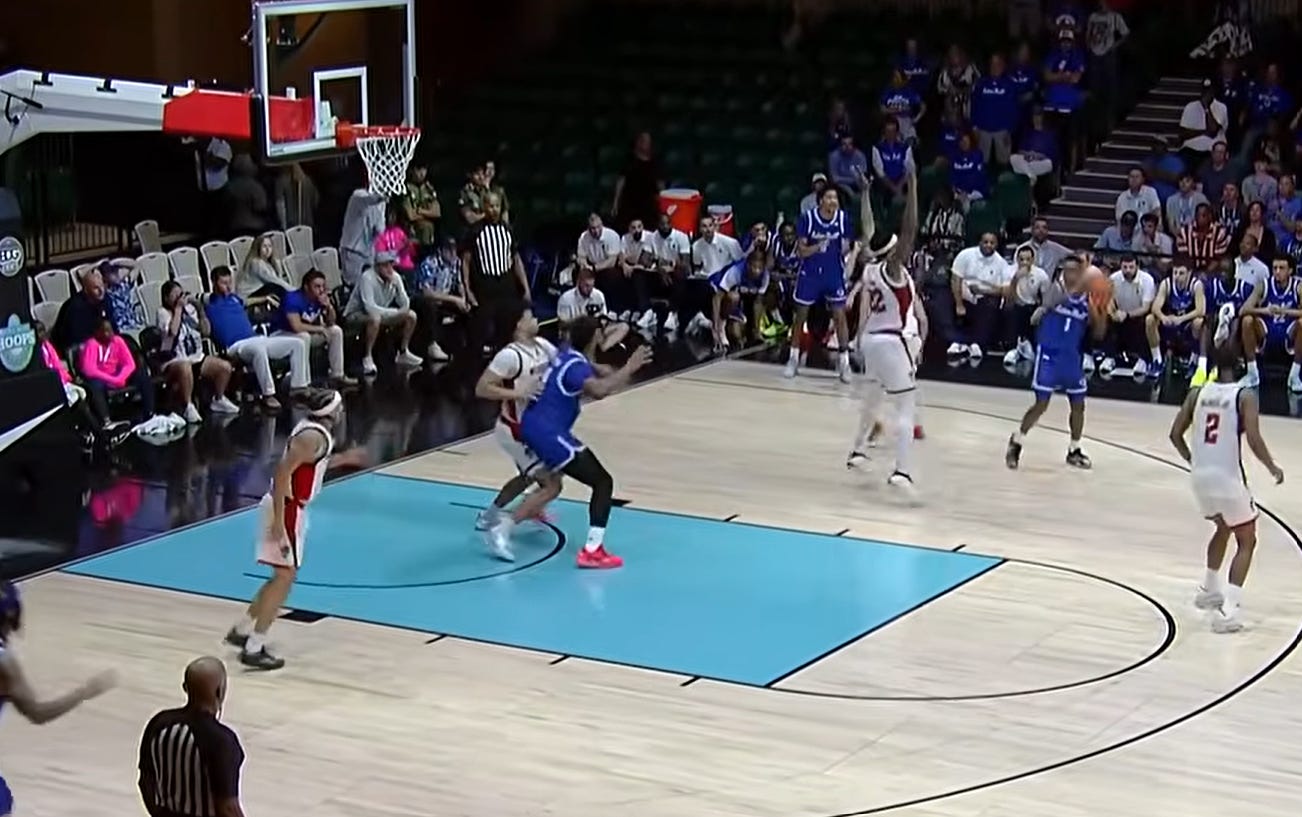
NC State split its two games in the Bahamas, beating Murray State in dominant fashion before letting Seton Hall slip away with the championship in an overtime defeat. It was the first real test for these guys after four games of learning very little, and new information is definitely available! State has some real weapons and a budding identity on offense. The trip was productive for that side of the court. Defensively, it was less productive, with State playing well in spurts but being exposed in others, notably allowing 58% shooting inside the arc.
Let’s get into it.
Preston Edmead and Ven-Allen Lubin Pick and Roll
State can get a lot of mileage this year out of pick-and-roll actions with Preston Edmead and Ven-Allen Lubin. Both are playing at a high level so far on the offensive end and look like they’ve evolved from last season. Lubin was good for State a year ago, but it was a lot of “catch ball and score” for him when he was paired with Quadir Copeland in the pick and roll. He’s making better decisions on the catch, and the game just looks very slow to him right now. There is more depth to his game. He’s a fifth-year player, so you’d hope for that, and he looks right. These two together were the animating force for State keeping pace through overtime on Friday night. There wasn’t a whole lot else going well, but Seton Hall struggled to deal with Edmead/Lubin ball screens.
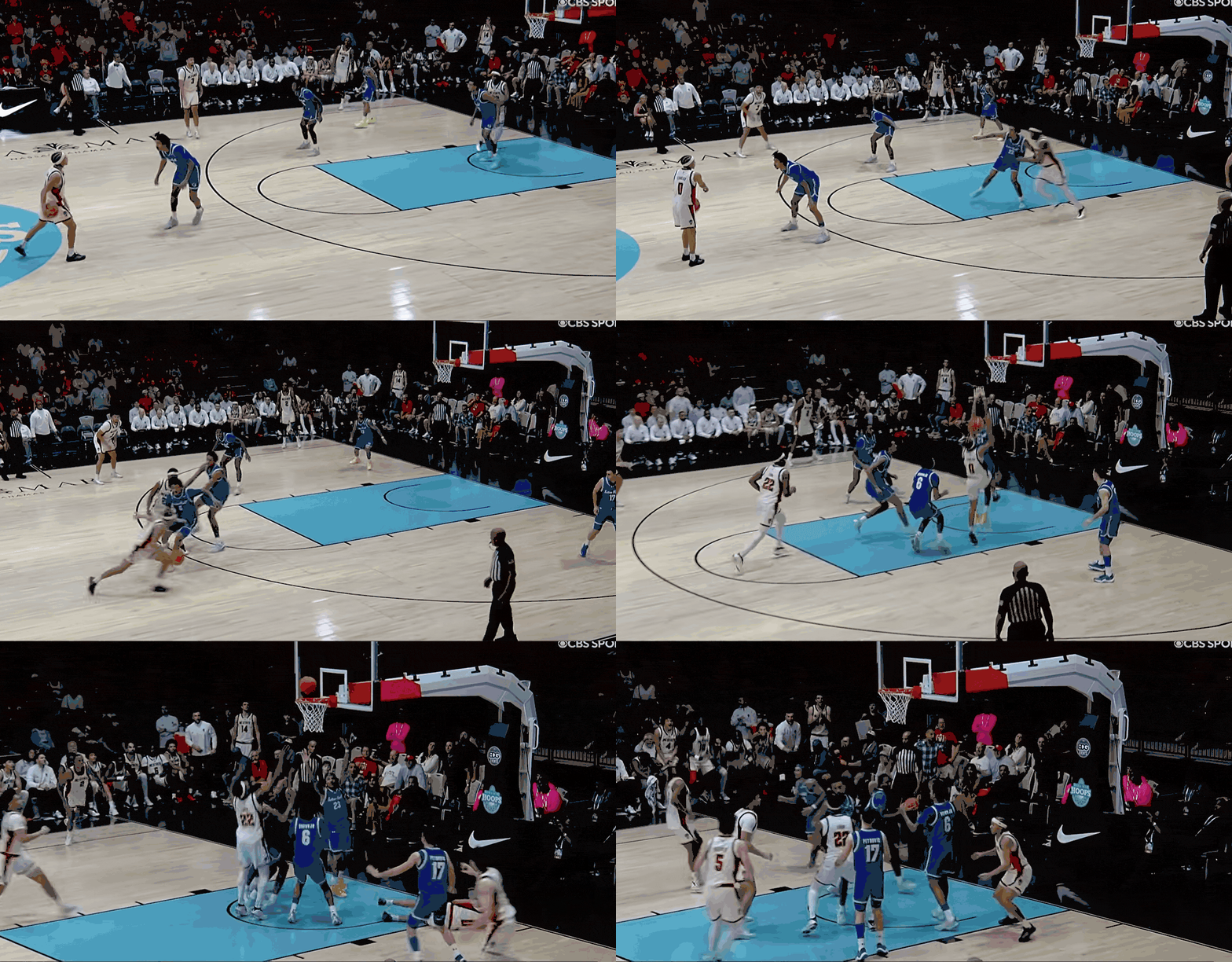
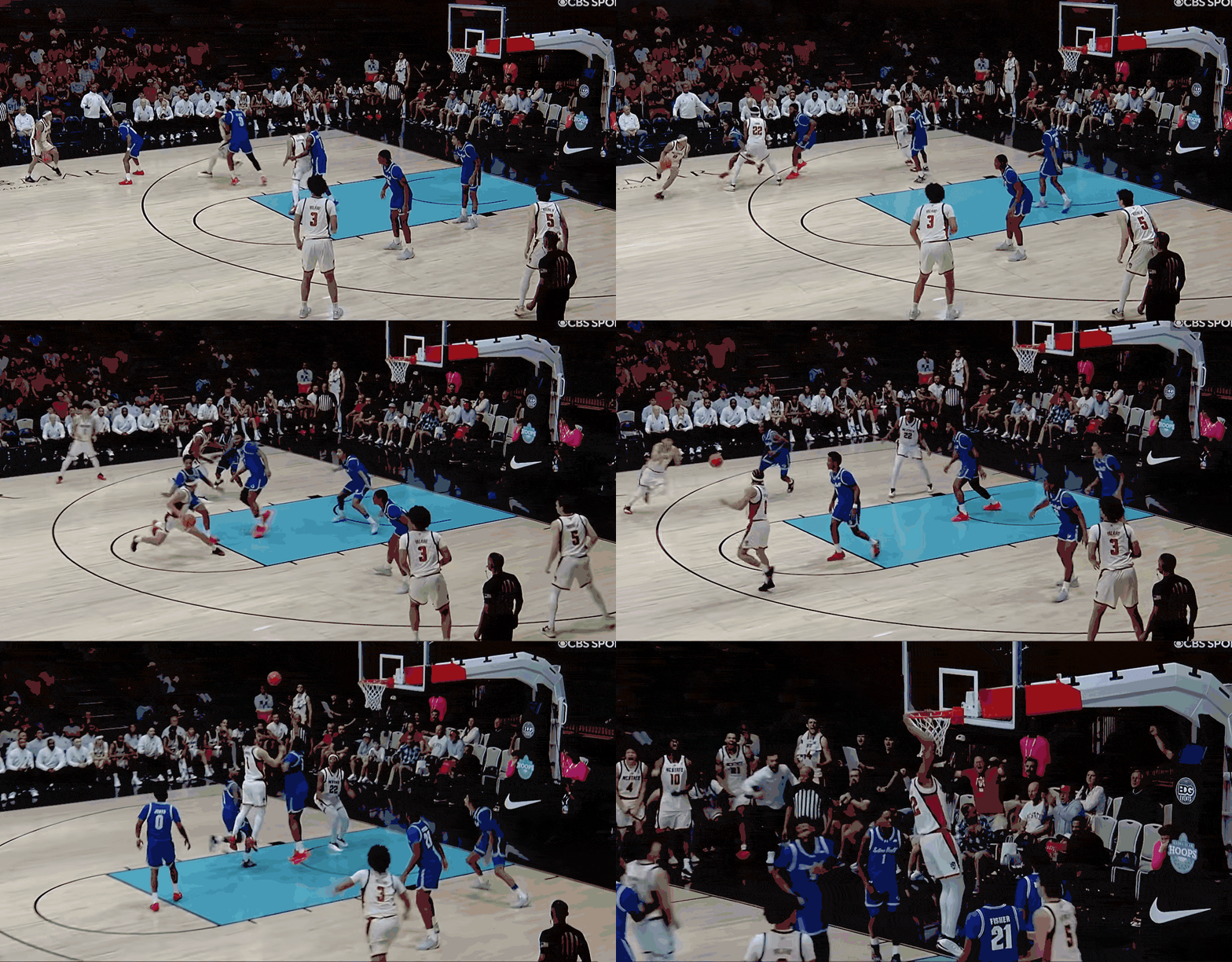
These flip, or “Verajao,” screens have appeared a lot this year for State. 22 for Seton Hall overplays it, and Edmead rejects the screen and gets to the rim.
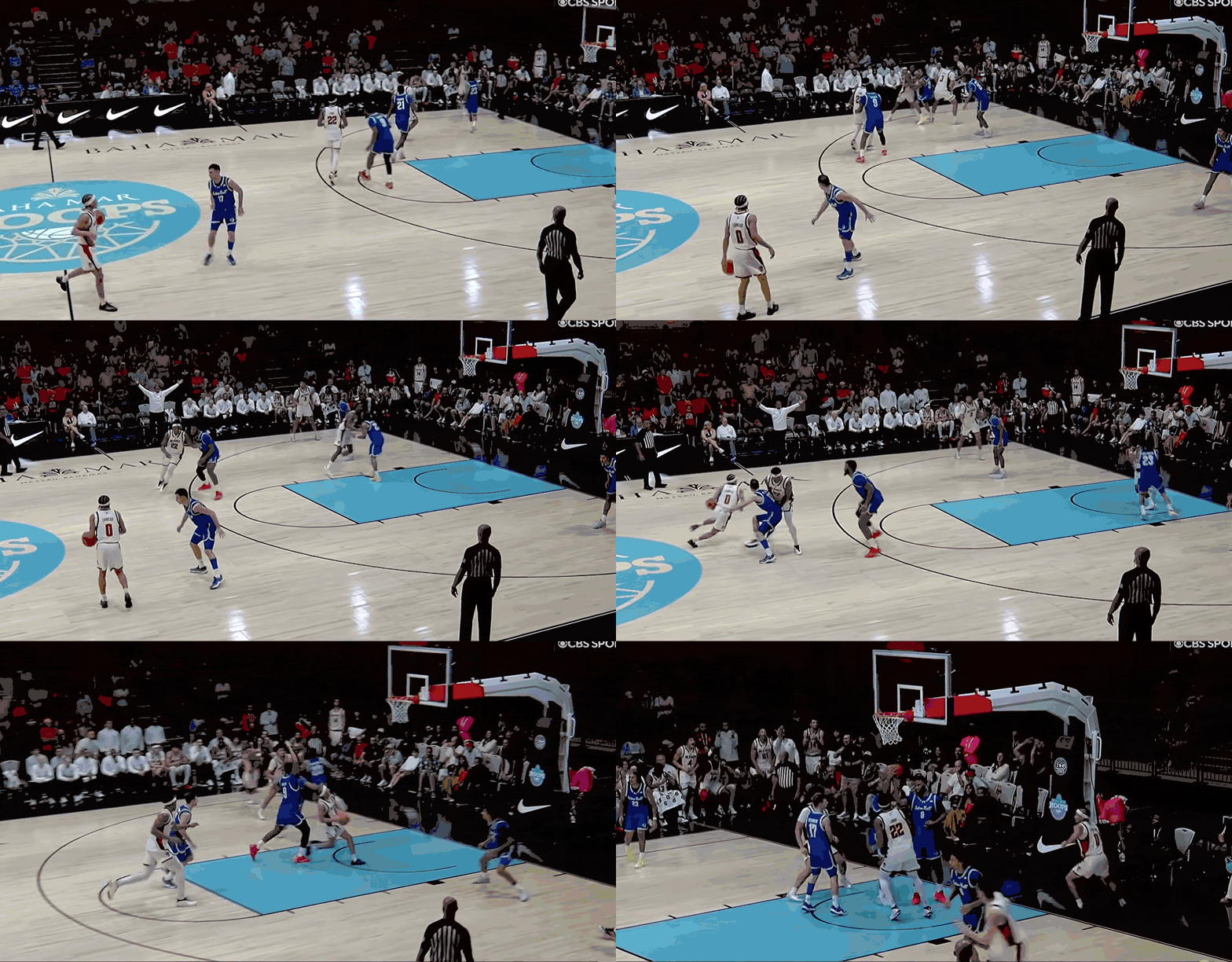
Just a possession later, 9 for Seton Hall seems to anticipate the flip or a slip from Lubin and ends up with subpar positioning. Lubin sets a hard screen, and you can once again see the exit screen for Paul McNeil affecting help on the drive. Edmead gets downhill and is able to finish with no help out of the weakside corner.
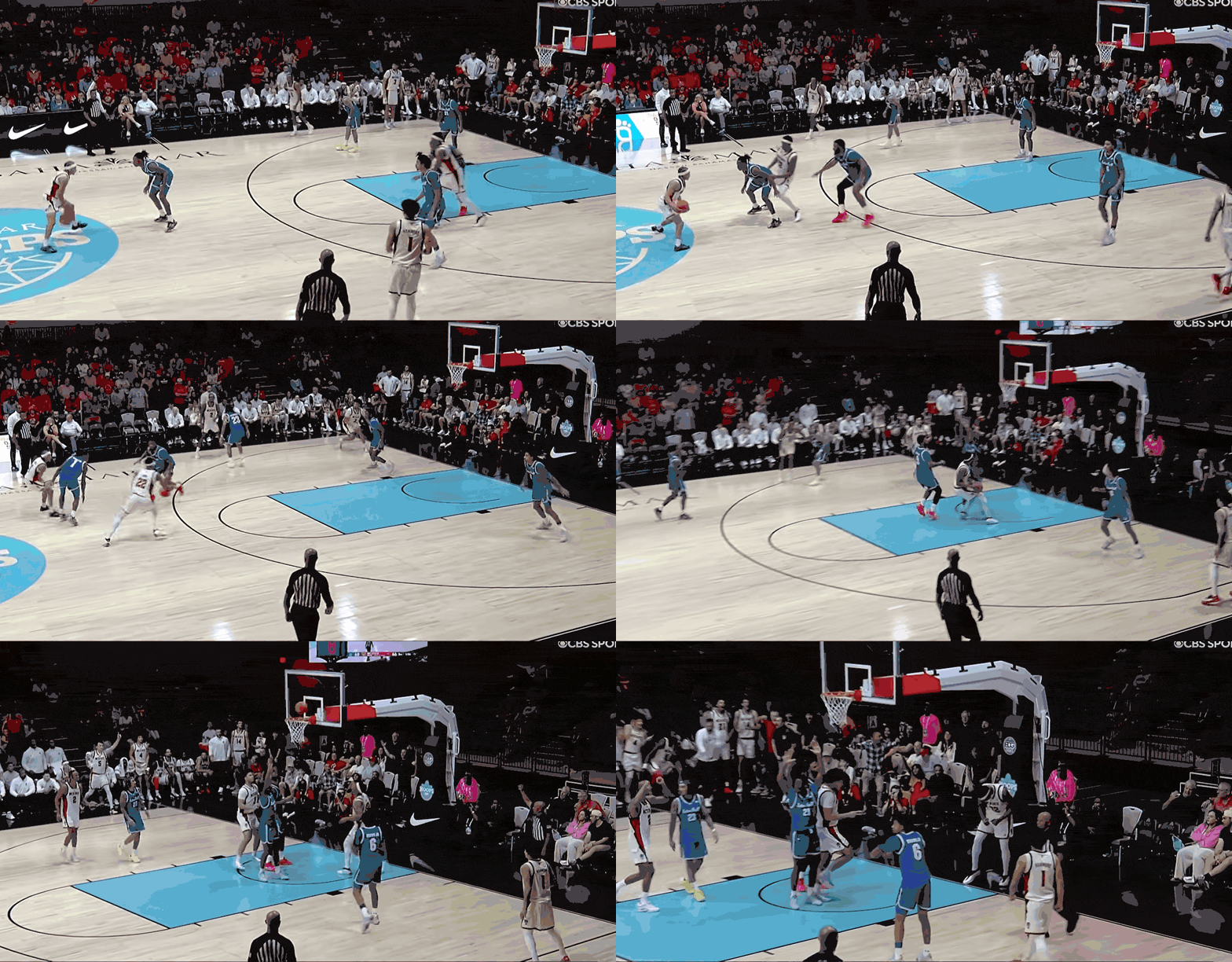
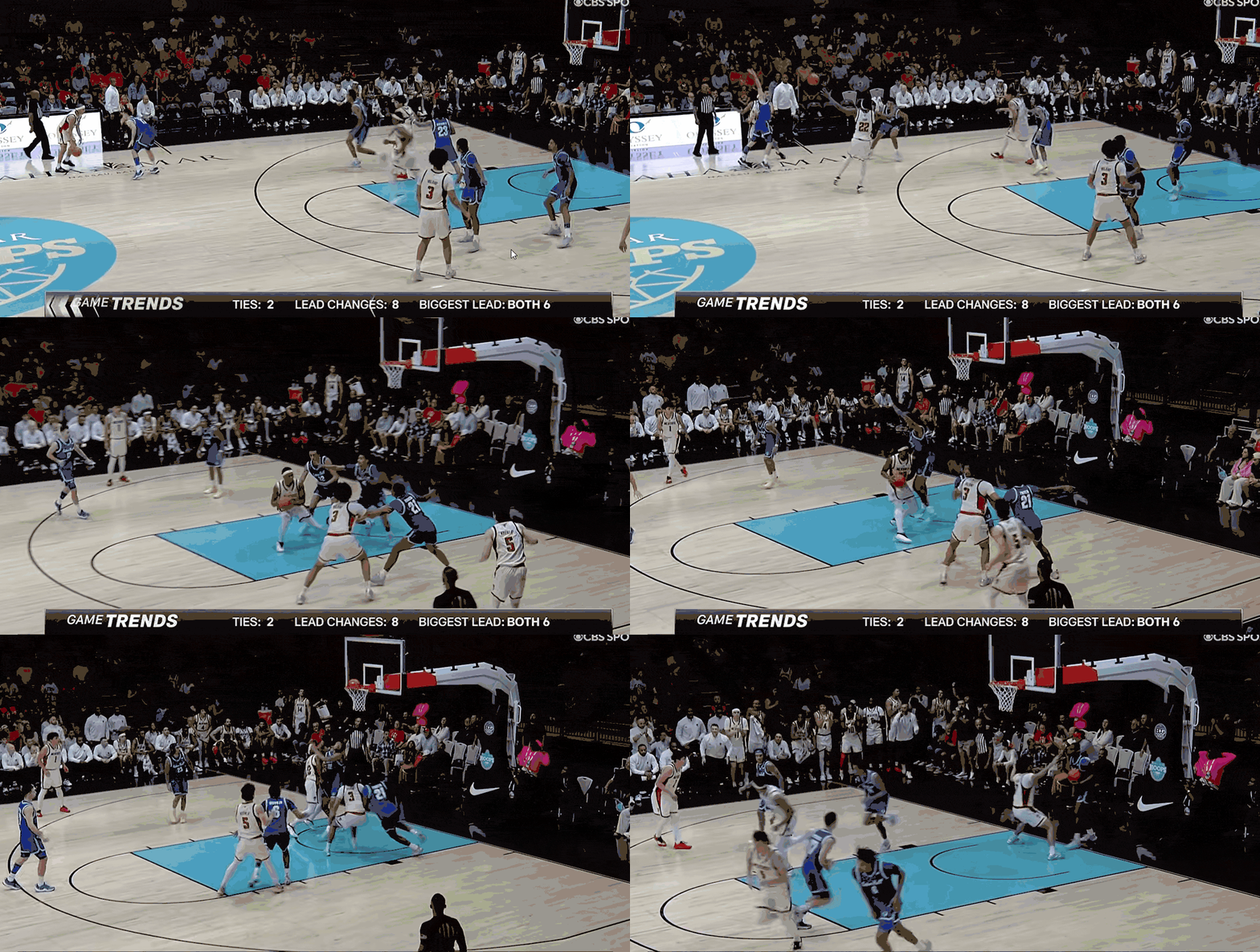
The short roll is where Lubin has improved the most. He’s decisive and right most of of the time off the catch in these actions. Good pass and Lubin is decisive on the catch, attacking the rim and finishing with no help coming from Hammond’s corner. His ability to handle the ball some and finish at a high rate adds juice to the short roll when he’s catching the ball 18+ feet from the basket.
Speaking of Hammond, adding him as an off-ball component to these actions is a great force multiplier because he’s a strong play finisher and an excellent decision maker off the catch.
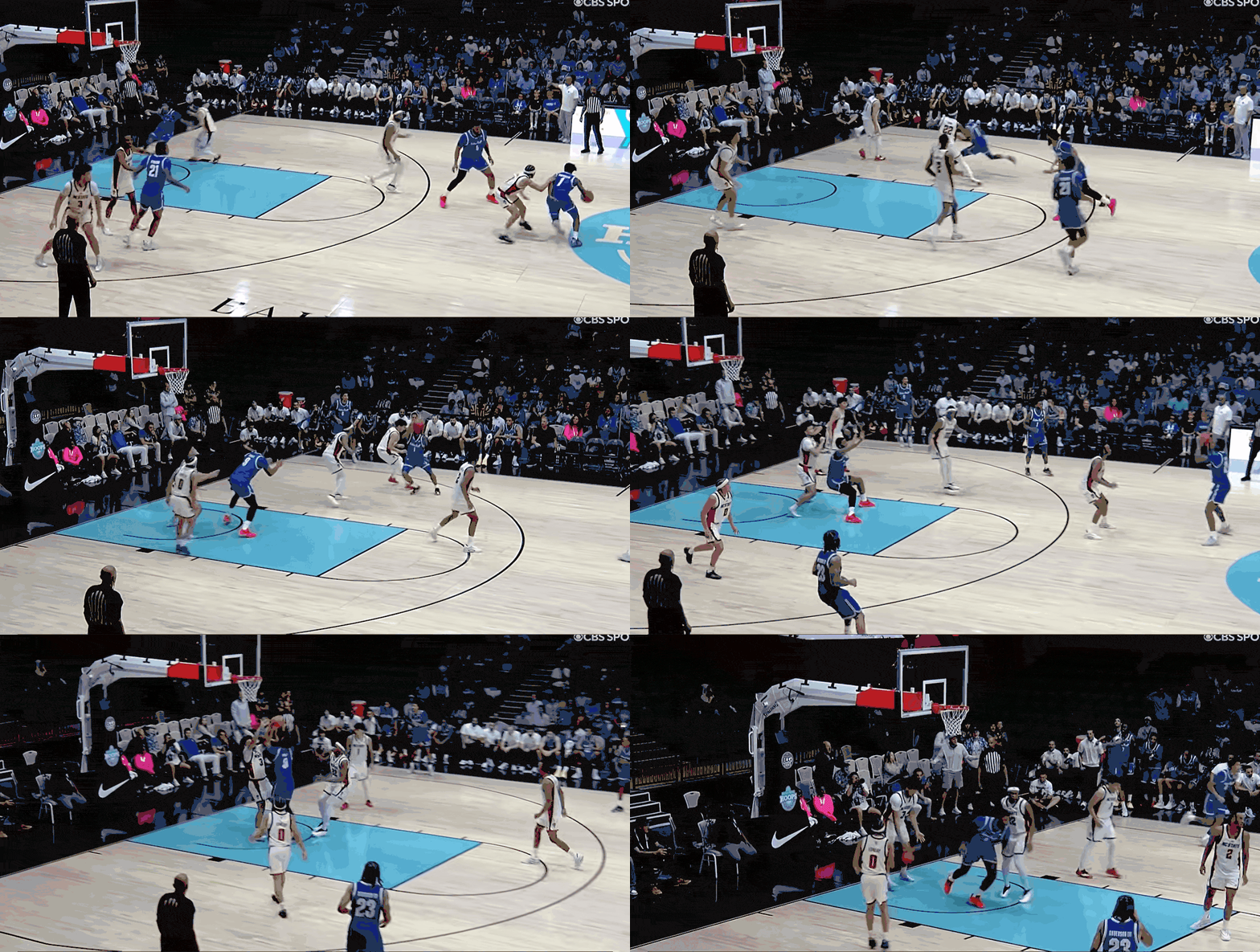
Another flip screen gets 9 for Seton Hall in a bad spot. Edmead sees early help in the paint and pulls his dribble up. Seton Hall is able to rotate through, but Hammond makes a nice play here coming back to the ball and then cutting. He’s able to beat the rotation back to him and keep the advantage alive. Help has to come off Lubin, and the lob is there. Hammond is so smooth in these spots.
This is great awareness from Lubin early on this play.
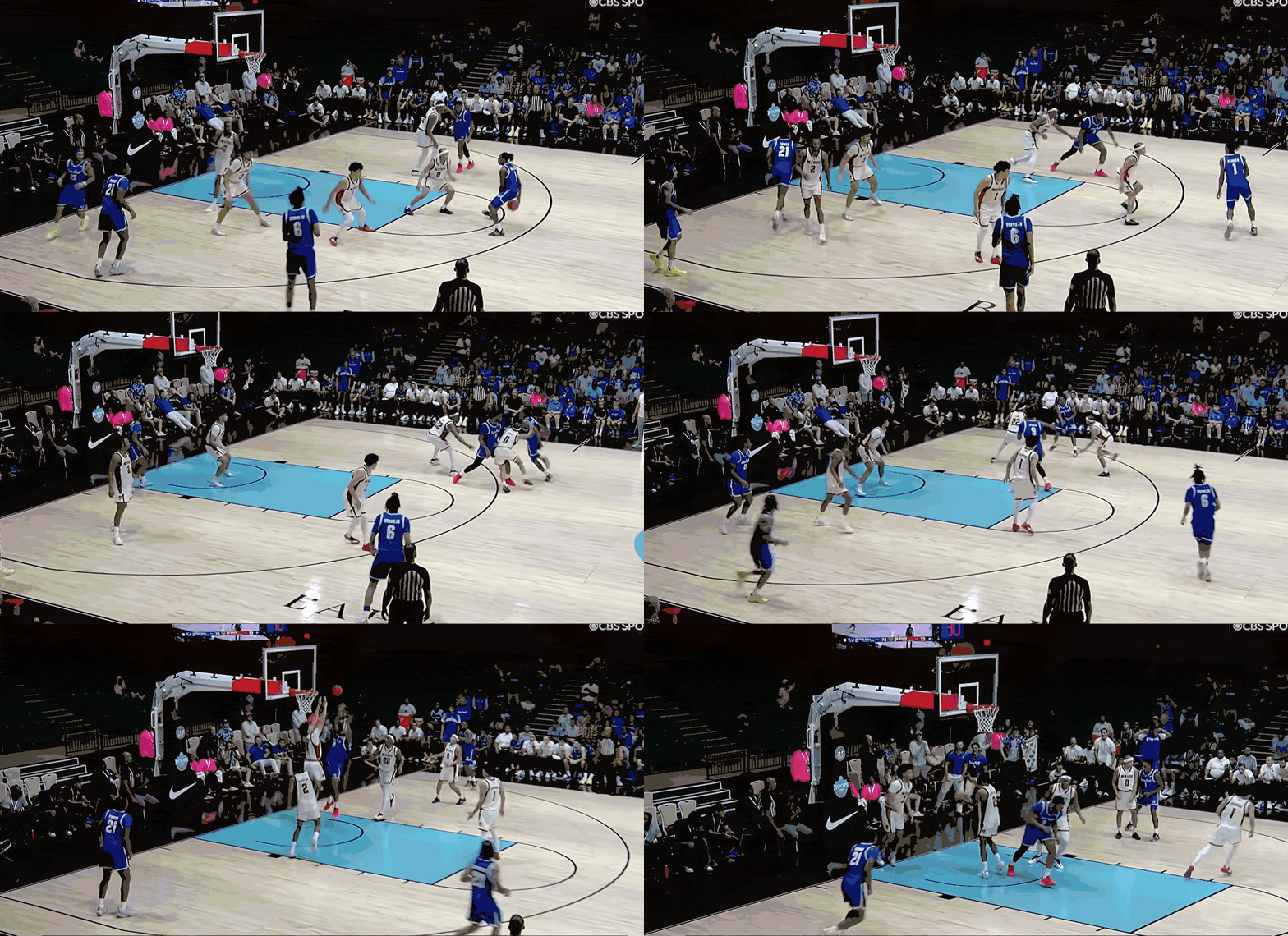
It’s another sprint up ball screen with Lubin and Edmead. As Lubin approaches the ball, he can see that Seton Hall is trying to ice the ball screen. The guard has climbed to the level of the ball with the big sitting a couple feet under on the sideline. The ice is designed to keep the ball from getting to the middle of the floor. Lubin recognizes this and just ghosts the screen knowing he’s been left alone. Slips and ghosts are very dangerous against this type of coverage. There’s a little discombobulation in the paint, as it looks like Lubin was expecting Keene to come back to the ball off the Yalaho screen. That doesn’t happen, so Lubin just shot fakes and scores.
I really like Preston Edmead. He has excellent feel for a sophomore, he’s obviously a good shooter, and he’s explosive off the bounce, even if he’s limited in the paint as a contact finisher. This upgraded version of Ven-Allen Lubin gives State a real interesting duo to use. Pairing it with Paul McNeil’s gravity and Christian Hammond’s general Christian Hammondness is going to create challenges for defenses.
Shooting Comes and Goes
There are two things that always travel in basketball: defense and UNC big men. Shooting is not on that list. Paul McNeil’s “absence” on Friday after pumping in 33 points the night before is less about McNeil and more about the natural fluctuation of a player whose primary input is perimeter shooting. McNeil is otherworldly at times, but if you’re expecting him to rip nine threes in a row every night, I have bad news. He will not make these types of shots every night.

McNeil’s gravity is invaluable to NC State, and it affects the game even if he’s 2/10. He may be the best player, but he’s not the primary offensive engine. It’s encouraging that State had other offensive answers against Seton Hall, when it shot 65% from two and shot 25 free throws, many of which came from Lubin.
We talked about in the preseason too. NC State will have games where it shoots the lights out of the building. It has several high-end shooters and good shooting depth. It will also have games where it does not do that. Natural variance, defensive scheme, defensive ability to clear screens, etc will all affect this on a nightly basis. Consider State ahead of schedule, given that its offense did not see a dramatic decline in efficiency with a 4/22 shooting night from three. The pace of the Seton Hall game was slower, offense was more deliberate, and it was still productive.
Fighting Over Screens
NC State has really gassed up the defensive switching since the early parts of the year, I suspect because it’s spotted some issues getting over ball screens with some of the smaller guards it employs. Edmead has punched above his weight guarding on the ball because he moves his feet well, but he’s struggled to fight over screens. RJ Keene struggled in overtime with the same thing. Some of these switches are situational instead of schematic with how much some of the guards have gotten caught up on the screens. Either way, the good part is that the communication has been refreshing. Only a handful of busts to this point in the season, which lives in stark contrast to Will Wade’s team trying to communicate switches with each other via rotary phone.
Here, you can see communication at work and some of the issues State is facing at a personnel level.
Edmead gets caught on the ball screen. He calls for the switch, which is able to fizzle out the action. Yalaho then “scrams” him to avoid the mismatch. It’s a well-communicated sequence for NC State, and it avoids any easy buckets off the ball screen. Yalaho then gets worked in the post, though. This was great connectivity, but individually, State gave up a huge advantage on the screen and then lost one-on-one down low.
Here’s Edmead unable to get over the screen again, which leads to an easy pocket pass. Yalaho contests the shot but is a beat late to help. Now, this is pretty obviously a moving screen. If you did not get the chance to actually watch the Seton Hall game, well, that would make you qualified to have officiated the Seton Hall game. But I digress.
The team doesn’t have a lot of natural defensive ability. It’s not super athletic or long, and it’s going to need mileage from connectivity and team defense. The roster isn’t flooded with high-end on-ball defenders, which we knew going into the year. Eemeli Yalaho had a rough overtime after Kyle Evans got injured. His shooting is compelling and enough to keep him in the rotation as a connector piece and play finisher, but whether it’s in a help-side rotation or on the ball, Yalaho can be attacked. RJ Keene also struggled in the second half with a couple of crucial mistakes on the ball and as a chase defender.
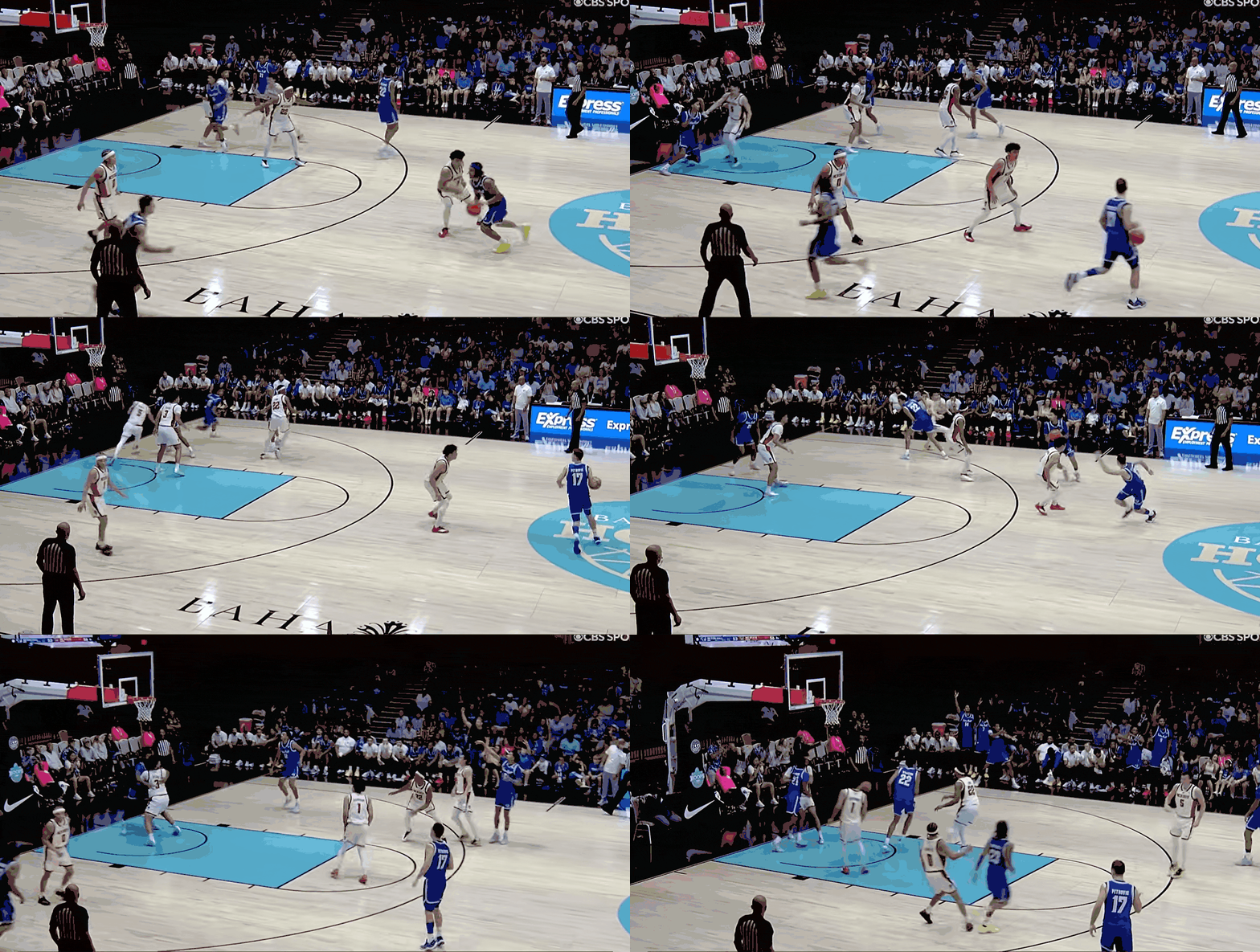
RJ Keene gets stuck on the staggered screens. This should be a switch, but it doesn’t appear to get called, so Lubin recovers instead of sticking on the ball. It leads to an uncontested three.
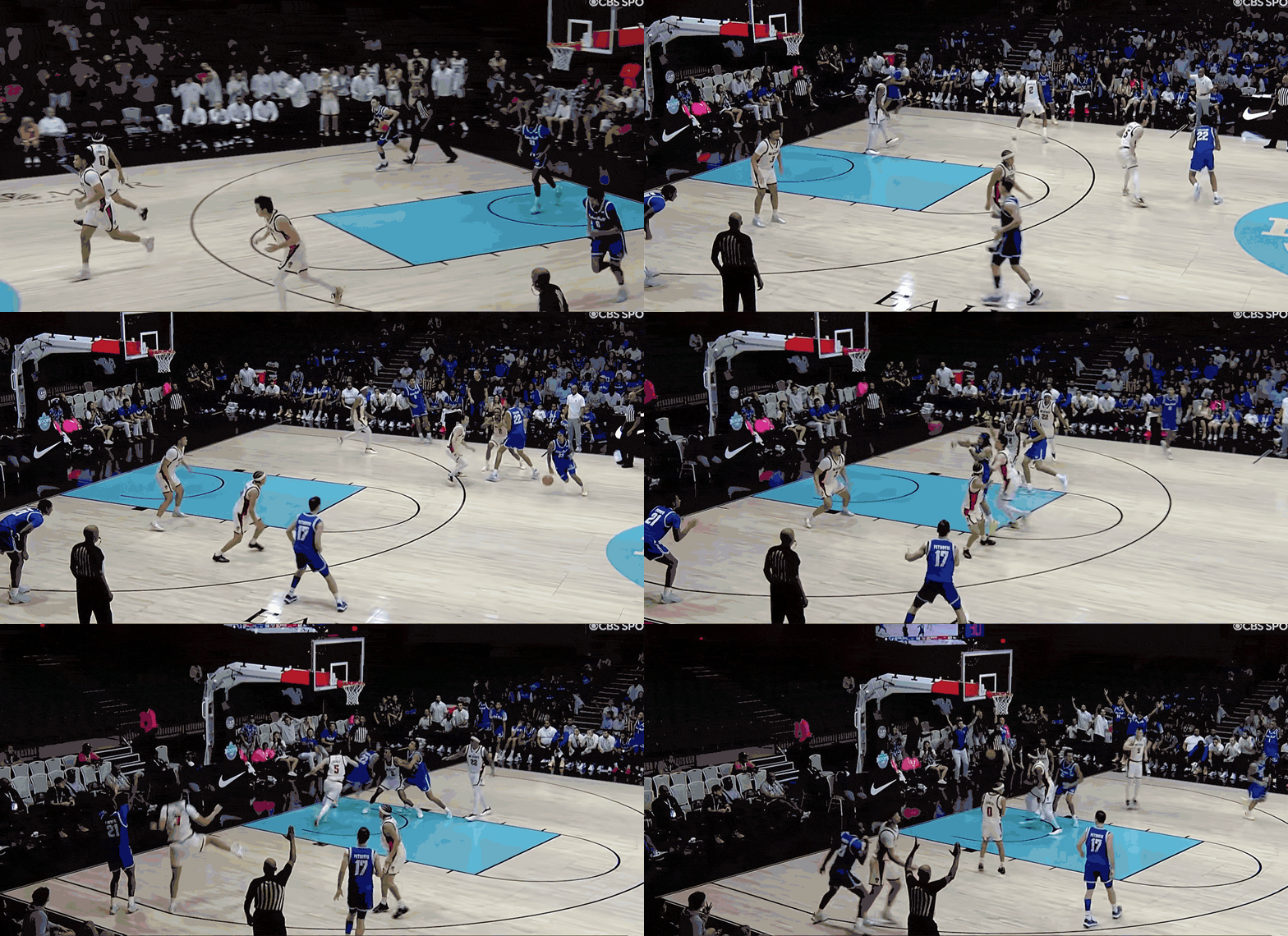
McNeil calls the switch for Keene, which you can see him do. Keene is not able to cut off the ball, though, and he gets beat. That forces Yalaho to commit to the help more, which leads to the kick to the corner. Yalaho is already not a particularly rangy help defender, which compounded some of the issues at the end of the game.
As of now, NC State is 7th nationally in adjusted offensive efficiency and in the top 40 in effective field goal percentage. It’s 83rd in adjusted defensive efficiency. This seems incongruent with Justin Gainey’s defensive history, but it’s more a reflection of where State decided to place its chips when building this roster. It’s far too early to call anything a spade yet, but this trip was pretty close to what we expected this team to be. In its first real tests of the year, the Wolfpack was a strong offensive unit that was capable of going nuclear, but it had obvious shortcomings on the other end.
That’s where we are right now. It does not mean that the season will be written that way. This is a likeable team that does a lot well and has a more robust offensive game than I expected. I’m still interested to see what happens when State gets a deep drop team, but it’s had answers for everything it’s seen so far. If it can make the Seton Hall game a low point defensively, there’s meat on the bone for sure.